Cloud Gaming Meets Crypto: Web3 Streaming Platforms in 2026
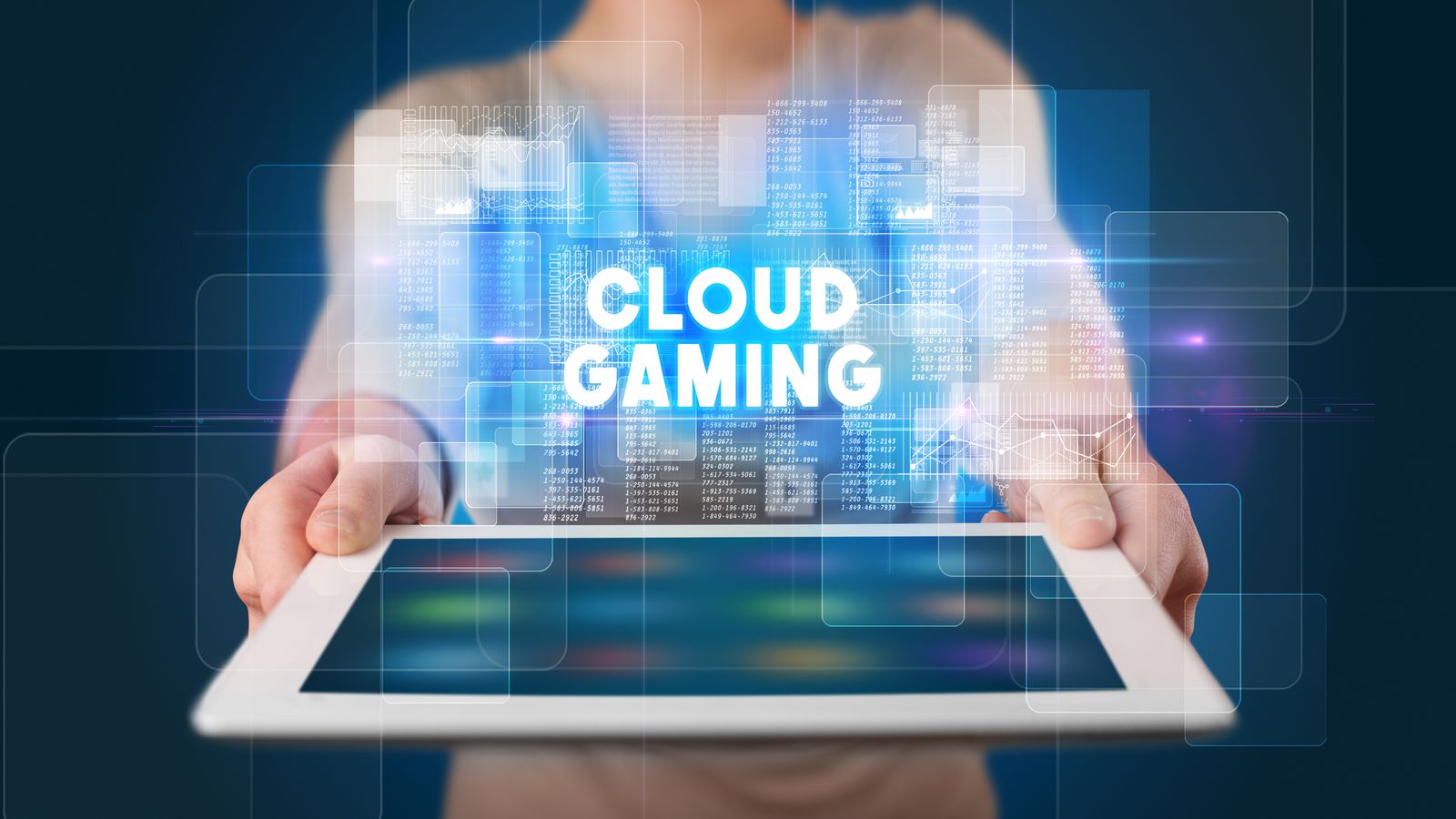
Cloud gaming streams games from remote servers to your device, eliminating the need for expensive hardware. Crypto adds decentralized infrastructure, token incentives for resource providers, and player ownership of assets. The intersection of these two technologies is creating a new model for game delivery and access in 2026.
This post examines how cloud gaming and crypto work together, what Web3 streaming platforms offer, and what it means for play-to-earn accessibility.
The Problem Cloud Gaming Solves
High-quality gaming traditionally requires expensive hardware — a capable GPU, sufficient RAM, fast storage. This creates a barrier that excludes players who cannot afford premium equipment.
Cloud gaming moves the computation to remote servers. The game runs on powerful hardware in a data center, and the video output is streamed to your device — which can be a basic laptop, a tablet, or even a phone. You interact through input streams (mouse clicks, keystrokes, touch gestures) sent back to the server.
For play-to-earn gaming, this matters because it dramatically expands the potential player base. Games that previously required a gaming PC can now be played on any device with a decent internet connection.
Decentralized Cloud Gaming
Traditional cloud gaming services run on centralized infrastructure owned by a single company. Web3 cloud gaming decentralizes this model.
Node operators provide computing resources (GPUs, bandwidth) to the network and receive token rewards for their contribution. This is similar to how cryptocurrency miners provide computational power to blockchain networks.
Players connect to the nearest available node and play games streamed from that node's hardware. Payment for computing resources flows as microtransactions in the network's native token.
Game developers deploy their games to the decentralized network rather than maintaining their own server infrastructure, reducing operational costs.
The decentralized model has several advantages over centralized cloud gaming: geographic distribution provides lower latency for players in underserved regions, the token incentive model attracts capacity without requiring massive upfront infrastructure investment, and no single company controls access.
How Token Incentives Drive Infrastructure
The clever innovation in Web3 cloud gaming is using token economics to bootstrap infrastructure. Instead of a company raising billions to build data centers, the network rewards anyone who contributes computing resources with tokens.
This creates a flywheel effect:
- Token rewards attract node operators who provide GPU capacity
- More capacity improves service quality and geographic coverage
- Better service attracts more players
- More players increase network utilization and token demand
- Higher token demand increases rewards for node operators
As analyzed in the GameFi tokenomics post, the sustainability of this model depends on real demand for the service — not just speculative token buying. Web3 cloud gaming services that have active player bases and growing utilization metrics are the ones worth watching.
Play-to-Earn Accessibility
Cloud gaming + crypto creates the lowest possible barrier to play-to-earn participation:
- No expensive hardware needed. Play graphically demanding blockchain games on a basic device.
- No upfront cost. Many Web3 streaming platforms offer free tiers or pay-per-minute models.
- Global access. Decentralized infrastructure reaches regions where centralized cloud gaming services do not operate.
- Instant start. No game downloads or installations — just connect and play.
This is significant for the play-to-earn ecosystem. The beginner's guide emphasizes low barriers to entry as a key factor when choosing a first game. Cloud gaming extends that principle to hardware requirements.
Current Limitations
Despite the promise, cloud gaming still has real constraints in 2026:
Latency. Even with optimized networks, there is inherent delay between your input and the game's response. For competitive games requiring split-second reactions, this is a real disadvantage. Casual and turn-based games are less affected.
Internet dependency. Cloud gaming requires a stable, reasonably fast internet connection. In regions with unreliable connectivity, the experience degrades significantly.
Cost scaling. While cheaper than buying hardware, ongoing streaming costs add up. Heavy players may find that purchasing their own hardware is more economical long-term.
Quality variability. In decentralized networks, the quality of the hardware you connect to varies. Some nodes may provide better performance than others.
Security Considerations
Playing games through cloud streaming introduces specific security considerations:
Wallet connections. When connecting your wallet through a cloud-streamed game, you are trusting the node operator not to intercept your transactions. Use well-established networks with audit histories.
Input logging. Cloud gaming routes your inputs through remote servers. While reputable services encrypt this data, the theoretical risk of input capture exists. Never enter seed phrases or sensitive passwords while using cloud gaming.
The wallet safety guide covers general smart contract security. For cloud gaming specifically, the principle of using a dedicated gaming wallet — separate from your main holdings — becomes even more important. Keep your savings in a hardware wallet that never connects to cloud-streamed sessions. The crypto wallet security for gamers guide covers this setup in detail.
What to Look For in a Web3 Streaming Platform
If you are evaluating Web3 cloud gaming services, consider:
- Network size and distribution. More nodes in more locations means better coverage and lower latency.
- Supported games. Does the platform host the games you want to play?
- Cost model. Per-minute, subscription, or free tier? Calculate your expected monthly cost.
- Latency performance. Test the service with your actual internet connection before committing.
- Security practices. Does the platform encrypt streams? Is the node operator protocol audited?
The Convergence Trend
Cloud gaming and crypto represent a broader trend of technology convergence in the gaming space. AI is reshaping game design. Cross-chain interoperability is connecting game ecosystems. And cloud streaming is eliminating hardware barriers.
Together, these technologies are building toward a future where anyone with an internet connection and a basic device can participate in the crypto gaming economy — earning tokens, owning assets, and competing on equal footing regardless of their hardware budget.
For the CryptoSoul ecosystem specifically, the game guides cover earning strategies, the whitepaper documents the token model, and the free tokens page provides a starting point for new players. The blog covers the broader landscape as it evolves.