The Metaverse and Crypto Gaming: Virtual Real Estate & NFTs in 2026
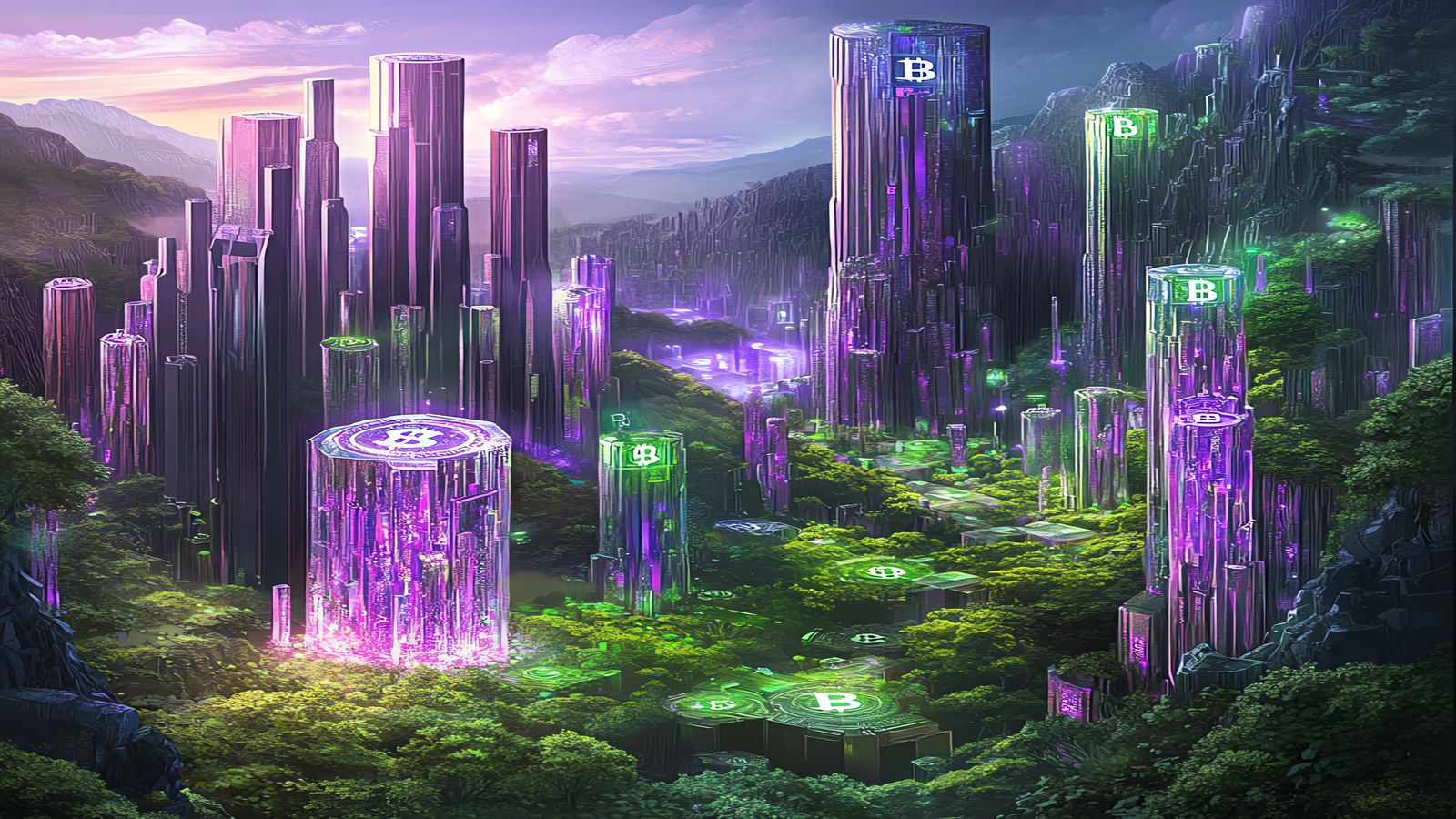
The metaverse was the biggest buzzword in crypto for years. Billions were invested. Virtual land plots sold for millions of dollars. Companies rebranded around the concept. And then reality set in — building a fully functional, interconnected virtual world turned out to be harder and slower than the hype suggested.
In 2026, the metaverse is not dead. But it has shifted from speculative frenzy to practical development. This post covers what actually works in the intersection of metaverse, crypto gaming, and NFTs — and what remains overpromised.
Virtual Real Estate: Where It Stands
Virtual real estate — owning plots of digital land in persistent virtual worlds — was one of the most hyped crypto investments of the early 2020s. Prices skyrocketed, then crashed when the speculative bubble deflated.
The projects that survived did so because they built actual utility. Virtual land that hosts functional game experiences, social spaces, or commercial venues has retained value. Land that was purchased purely as a speculative bet on "the metaverse" without any built utility has largely depreciated.
What Works
Game-integrated land. Virtual land parcels that function within a game — producing resources, hosting player shops, or providing strategic advantages — have clear utility and sustained demand.
Social venue spaces. Plots used for community events, concerts, galleries, or meetups attract foot traffic, which in turn attracts advertisers and sponsors willing to pay for visibility.
Creator platforms. Land that provides tools for building and monetizing content allows landowners to generate revenue through creativity, not just speculation.
What Does Not Work
Empty speculation. Buying virtual land solely because you expect the price to go up, with no plan for utilization, is gambling — not investing.
Isolated worlds. Virtual real estate in platforms with low player counts has no audience. Land value correlates with platform activity.
NFTs in Crypto Gaming: Beyond Collectibles
NFTs in gaming have moved well past the initial "buy a JPEG" phase. In 2026, gaming NFTs serve practical functions:
Equipment and items. Weapons, armor, vehicles, and other gameplay items represented as NFTs that players genuinely use. Their value comes from in-game utility, not just rarity.
Identity and reputation. Achievement badges, tournament trophies, and skill certifications stored as NFTs. These serve as a verifiable gaming resume.
Access passes. NFTs that grant entry to exclusive game modes, beta tests, or premium content. They are essentially membership tokens.
Creator content. Player-created items, maps, or skins minted as NFTs. The creator earns royalties when their content is traded.
The key shift from earlier NFT gaming is that value comes from use, not from artificial scarcity or speculative demand. Games that create NFTs nobody actually uses in gameplay are the ones that lose player interest.
For an evaluation framework, the GameFi tokenomics post covers how to assess whether an economy — including its NFT layer — is sustainable.
The Metaverse as a Gaming Platform
Rather than one unified "Metaverse" (capital M), 2026 has multiple interconnected virtual platforms — each with its own focus, aesthetic, and community. Some cater to social interaction, others to competitive gaming, others to creative expression.
For crypto gamers, the relevant question is not "will the metaverse happen?" but "which virtual platforms provide genuine play-to-earn opportunities?"
The answer depends on the same criteria that apply to any play-to-earn game: gameplay quality, economic sustainability, and community health. The getting started guide covers how to evaluate these factors.
Cross-Platform Identity
One genuinely useful metaverse development is cross-platform identity. Instead of creating separate accounts for every game, players use their wallet address as a universal identity. Your on-chain history — games played, achievements earned, assets owned — becomes your portable profile.
This ties into the broader interoperability trend. As more games recognize shared identity standards, switching between platforms becomes frictionless.
Evaluating Virtual Real Estate Investments
If you are considering purchasing virtual land or metaverse-related NFTs, apply the same due diligence you would to any investment:
- What is the platform's active user count? Land in an empty world has no audience and minimal value.
- What utility can you build? Can you host events, run a shop, produce resources, or create content?
- What are the ongoing costs? Some platforms charge maintenance fees or taxes on virtual property.
- What is the team's track record? Has the development team delivered on previous roadmap promises?
- Is the economy sustainable? Apply the tokenomics evaluation from the GameFi tokenomics analysis.
Security for Metaverse Participants
Virtual real estate and high-value NFTs require serious security practices. A single compromised transaction can cost you assets worth thousands of dollars.
- Use a hardware wallet for high-value NFT storage — the Ledger Flex and Trezor Safe 5 both support NFTs across major chains. See our hardware wallet comparison for a full breakdown.
- Never sign transactions you do not fully understand
- Be especially cautious of "claim" transactions that impersonate metaverse platforms
The crypto wallet security for gamers guide covers these practices in detail. The seed phrase backups guide ensures your recovery strategy is solid.
The Practical Takeaway
The metaverse is a long-term project, not a short-term investment opportunity. The virtual worlds being built today will take years to reach their full potential. For players and investors, the smartest approach is to engage with platforms that have genuine utility today rather than betting on theoretical future value.
If you want to participate in the crypto gaming economy without speculating on virtual real estate, play-to-earn offers a more direct path. The game guides show how to start earning on CryptoSoul, and the free tokens page provides a no-investment entry point.
The CryptoSoul blog will continue covering metaverse and NFT developments as the space evolves. For foundational crypto knowledge, the Learn hub covers everything from basic concepts to advanced security practices.