Interoperability & Cross-Chain Gaming: The Future of Digital Assets
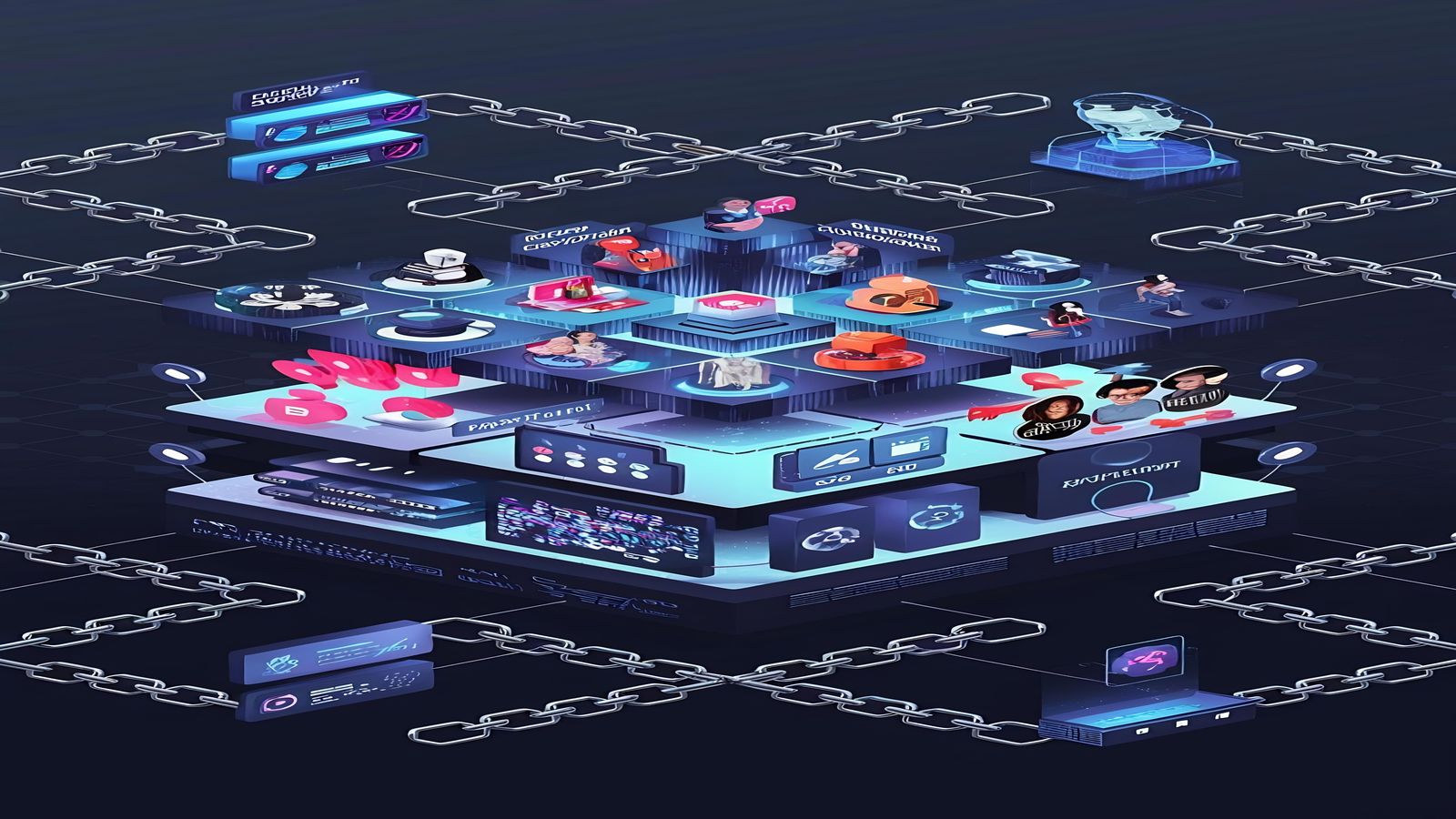
One of the biggest promises of blockchain gaming has always been portability — the idea that items you earn in one game could be used in another. In traditional gaming, your assets are locked in closed ecosystems. Blockchain technology makes cross-game ownership theoretically possible, but the practical reality is more nuanced.
This post examines the current state of cross-chain gaming interoperability in 2026, the technical approaches being used, and what players should realistically expect.
The Promise of Portable Game Assets
Imagine earning a sword in one game and equipping it in another. Or using tokens earned from a puzzle game to buy items in a racing game. This is the interoperability vision — a connected ecosystem where your digital assets move freely between games and platforms.
The appeal is obvious. Your time investment compounds across multiple games rather than being siloed. Items gain value from multiple use cases. And players have genuine ownership that extends beyond any single developer's ecosystem.
As explored in the blockchain vs traditional gaming comparison, asset ownership is the fundamental differentiator of blockchain gaming. Interoperability extends that ownership from one game to an entire ecosystem.
How Cross-Chain Bridges Work
Different blockchain games often operate on different chains. CryptoSoul uses its own chain infrastructure, while other games might run on Ethereum, Polygon, Arbitrum, or purpose-built gaming chains. Moving assets between these chains requires bridges.
Lock-and-mint bridges lock an asset on the source chain and mint a representation of it on the destination chain. When you move back, the representation is burned and the original is unlocked. This is the most common approach.
Native cross-chain protocols enable direct communication between chains without intermediary locking. These are more elegant but require deeper integration between the chains involved.
Aggregator bridges route transfers through the most efficient available path across multiple protocols. They abstract complexity from the user but add their own layer of smart contract risk.
Each approach has trade-offs in security, speed, and cost. The wallet safety guide covers general principles for evaluating smart contract interactions, which is especially important when using bridges that hold significant locked value.
Current State of Gaming Interoperability
In 2026, interoperability is functional but limited. Here is an honest assessment:
Token interoperability works. Moving fungible tokens (like SOUL or other gaming currencies) between chains is relatively straightforward. Bridges handle this reliably for major chains, though fees and confirmation times vary.
NFT interoperability is emerging. Moving NFTs between games on the same chain is technically simple — it is just a standard token transfer. Moving them between different chains is more complex but achievable through bridge protocols.
Functional interoperability is rare. This is the harder problem. Even if you can move a sword NFT from Game A to Game B, that does not mean Game B knows what to do with it. The sword might appear as a generic item, or it might not render at all. True functional interoperability requires shared asset standards and deliberate integration between game developers.
Technical Approaches Gaining Traction
Shared Asset Standards
Several blockchain gaming alliances are developing shared NFT standards that define common attributes — damage values, rarity tiers, visual specifications — so that items can be interpreted across games. Think of it like a file format standard: if everyone agrees on the format, any compatible program can open the file.
Middleware Layers
Middleware services sit between games and blockchains, translating assets from one game's format to another. A player does not need to understand the translation — they transfer an item, and the middleware handles conversion.
Multi-Chain Gaming Frameworks
Some newer games are designed from the start to support multiple chains. Rather than building on one chain and bridging to others, they deploy natively on several chains and maintain synchronized state. This eliminates bridge risk but increases development complexity.
What This Means for Players
Opportunities
- Diversified earning. Assets that work across multiple games have broader utility and potentially higher value.
- Reduced switching costs. Moving to a new game does not mean abandoning everything you earned in the previous one.
- Portfolio building. Cross-chain assets let you build a crypto gaming portfolio that is not dependent on any single game's survival.
Risks
- Bridge security. Every bridge is a smart contract that could contain vulnerabilities. Large bridge hacks have occurred historically and remain a risk.
- Standard fragmentation. Multiple competing interoperability standards can create confusion and compatibility gaps.
- Value uncertainty. An item's value in its original game may not transfer to a different context. A legendary sword in Game A might be a common item in Game B.
Security Considerations
Cross-chain activity increases your exposure to smart contract risk. Each bridge interaction is an additional approval and trust relationship. Follow these practices:
- Only use established bridges with public audit reports and significant total value locked.
- Verify contract addresses before approving any bridge transaction.
- Start with small test transfers before moving valuable assets through a new bridge.
- Revoke bridge approvals after completing your transfer.
The seed phrase backups guide ensures you can recover your wallet if a bridge interaction goes wrong. The web security basics guide covers phishing awareness, which is particularly relevant when navigating bridge interfaces. For high-value cross-chain assets, keeping the bulk of your holdings in a hardware wallet adds an essential layer of protection.
CryptoSoul and Interoperability
CryptoSoul's SOUL token is designed with sustainability and player ownership as core principles. The whitepaper documents the token architecture. As cross-chain infrastructure matures, the potential for SOUL to participate in broader gaming ecosystems grows.
For now, the practical focus remains on the CryptoSoul ecosystem itself — earning through game guides, managing withdrawals via the how to withdraw SOUL guide, and staying informed through the changelog.
Looking Forward
Full functional interoperability — where your items, achievements, and reputation port seamlessly between games — is a multi-year buildout. The technical foundations are being laid now. The games that position themselves for interoperability early will be best placed to benefit when the infrastructure matures.
For players, the practical advice is: earn and hold assets in games with strong standalone economies, maintain good security practices, and stay informed about interoperability developments. The blog will continue covering these developments as they unfold.